Ealing Hearing Centre – Expert Audiology Services in London
LIFE CHANGING HEARING HEALTH
BESPOKE HEARING CARE TAILORED TO YOU
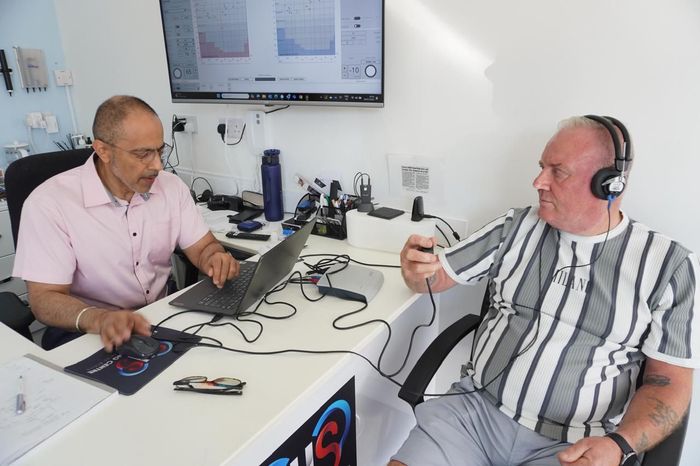
At Ealing Hearing Centre, we are a father-daughter duo of award-winning expert audiologists with over 35 years’ experience. We pride ourselves in offering high quality, patient centered hearing care. We understand that no patients’ problems are the same and that’s why we aim to offer individual treatment plans through bespoke services tailored to you.
Over time, the experience and knowledge we have gained has been invaluable. However, we felt we could offer so much more by setting up our own independent practice and that is why Ealing Hearing Centre was opened as part of Sidhu Hearing Solutions Ltd
We offer the best technology from a variety of manufacturers to give you the Life Changing Hearing Health you have been waiting for.
- Over 35 years in the industry
- Independent & honest advice
- Free written report
- No rushed appointments
- Service with empathy
- 60 day trial period of your hearing device

Why Patients Choose Ealing Hearing Centre
1) Independent & Unbiased Advice
We are not tied to any single hearing aid manufacturer. That means every recommendation we make is based entirely on what suits your hearing, your lifestyle, and your budget — not on supplier agreements or sales targets.
2) Over 35 Years of Audiology Experience
Ealing Hearing Centre is run by a father-daughter team of award-winning audiologists with over three decades of combined experience in hearing care. You're in qualified, experienced hands from your very first appointment.
3) Patient-Centred Care — No Rushed Appointments
Every patient is different. We take the time to properly understand your hearing difficulties before making any recommendation. No conveyor belt. No pressure. Just thorough, unhurried care.
4) Access to the Latest Hearing Technology
We work with leading manufacturers across the industry to offer the most advanced hearing aid technology available. Whether you need a discreet in-ear device or a powerful behind-the-ear model, we source the best solution for you.
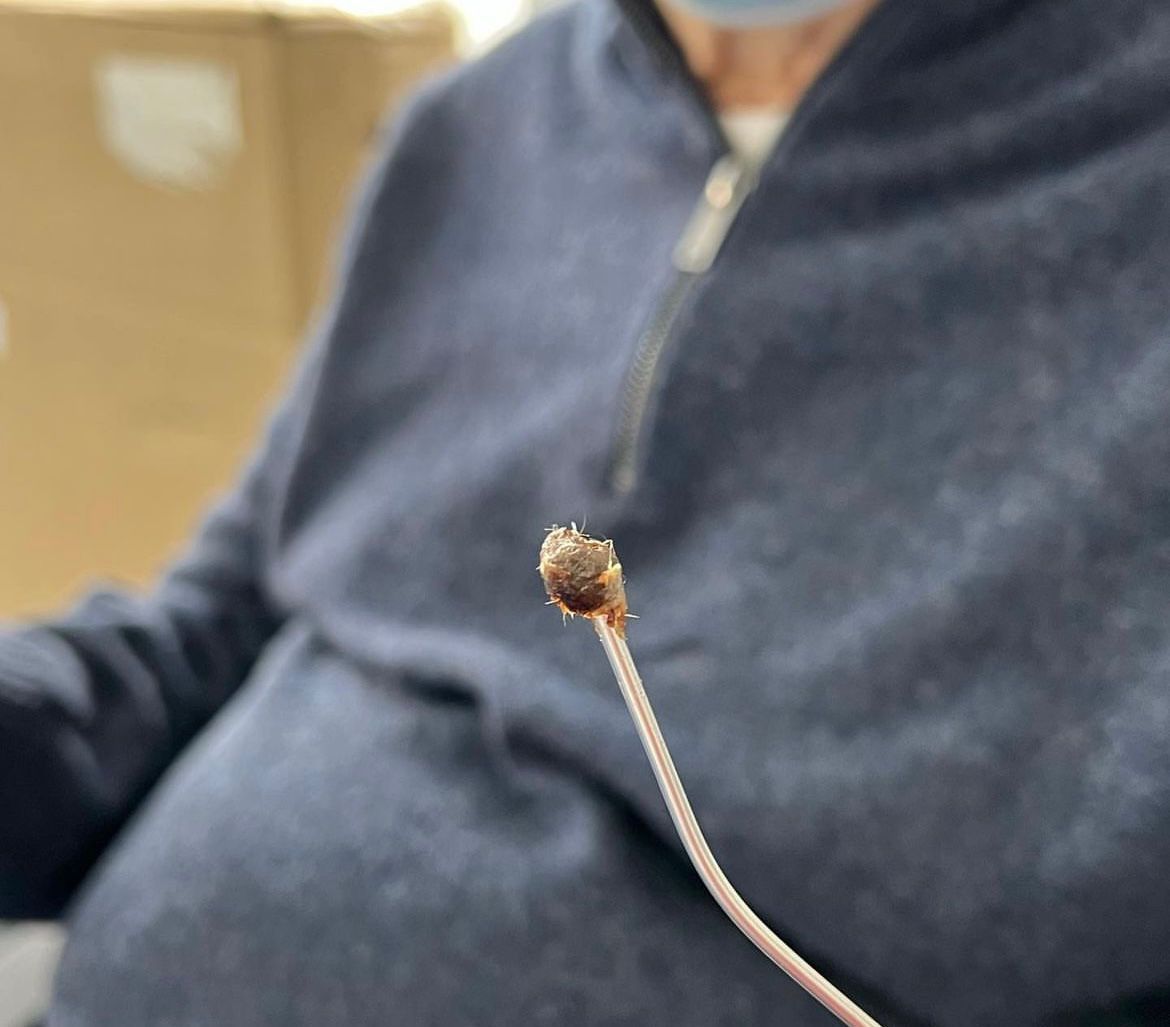
5) Professional Ear Wax Removal by Qualified Audiologists
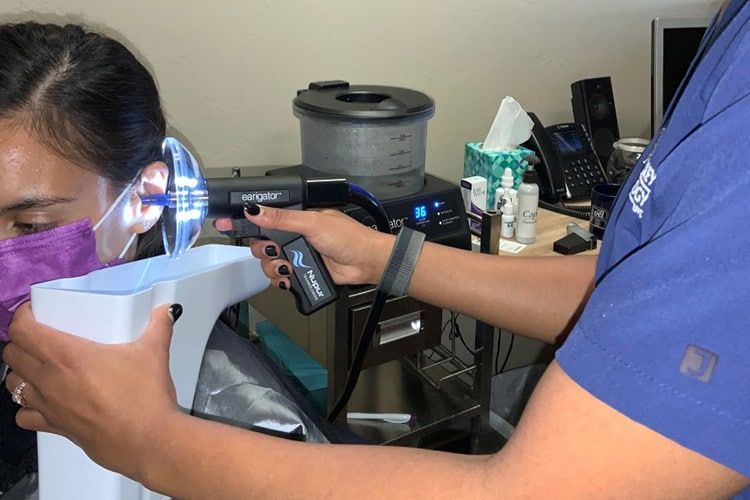
Our microsuction ear wax removal is performed by qualified audiologists — not healthcare assistants. Every appointment begins with a full otoscopic examination before any treatment takes place.
6) Free Initial Consultation
Your first hearing consultation at Ealing Hearing Centre is completely free, with no obligation and no pressure to purchase. You'll leave with a clear picture of your hearing health and the options available to you.

Frequently Asked Questions
You can also experience earwax buildup if your ear feels blocked or full, and your hearing becomes muffled, similar to the sensation of having water trapped in your ear. Other common symptoms may include mild earache or soreness, ringing in the ear (tinnitus), itching inside the ear, dizziness, and reduced hearing in one ear. It is important to avoid using cotton buds, as they can push the wax deeper and worsen the problem.
Several things can look like ear wax. Common examples include dry skin flakes, discharge from an ear infection, or a small foreign object in the ear, such as cotton from a cotton bud. In some cases, hardened skin debris can also resemble wax. If there is pain, an unpleasant smell, or fluid leakage, this may be a sign of infection rather than wax.
If excess earwax is not removed, it can build up and block the ear canal. This may cause temporary hearing loss, a feeling of fullness in the ear, discomfort, itching, or ringing in the ears (tinnitus). In some cases, it can also increase the risk of an ear infection due to trapped moisture and bacteria. It's important not to insert cotton buds or other objects into the ear, as this can push the wax further in.
Yes, a hearing test can help assess tinnitus, but it cannot directly detect it. Tinnitus is the perception of ringing, buzzing or hissing sounds without an external source, so it is based on what you hear rather than something that can be measured on a machine. However, a standard hearing test (audiometry) can identify any underlying hearing loss, which is commonly linked to tinnitus.
Yes, hearing tests are usually free for people aged 60 and over in the UK. If you contact your GP, you can be referred to NHS audiology services for a free hearing assessment. NHS hearing tests do not cost anything, and if hearing aids are required, they are provided on loan at no charge. Many private hearing centres and high street providers also offer free hearing tests, although any treatment or devices recommended may involve a fee. It’s best to confirm beforehand whether the appointment is NHS or private.
The first signs of hearing loss are often subtle and easy to overlook. Many people notice that conversations sound muffled or unclear, particularly in busy places like restaurants or family gatherings. You might find yourself frequently asking others to repeat themselves or turning up the television or radio louder than usual.
Earwax is natural and helps protect your ears from dust and infection, so it doesn't always need to be removed. However, if it builds up and causes symptoms such as muffled hearing, discomfort, or a blocked feeling, you can try softening drops first. In the UK, olive oil drops or sodium bicarbonate drops are commonly recommended and can be used for a few days to help the wax loosen and come out naturally.
IMPROVE YOUR QUALITY OF LIFE
Start your hearing care journey with us and we will work with you every step of the way to improve your quality of life.
Recent Hearing Care Blogs